Gửi bình luận
Hủy
Gửi
Mon, 12/10/2026

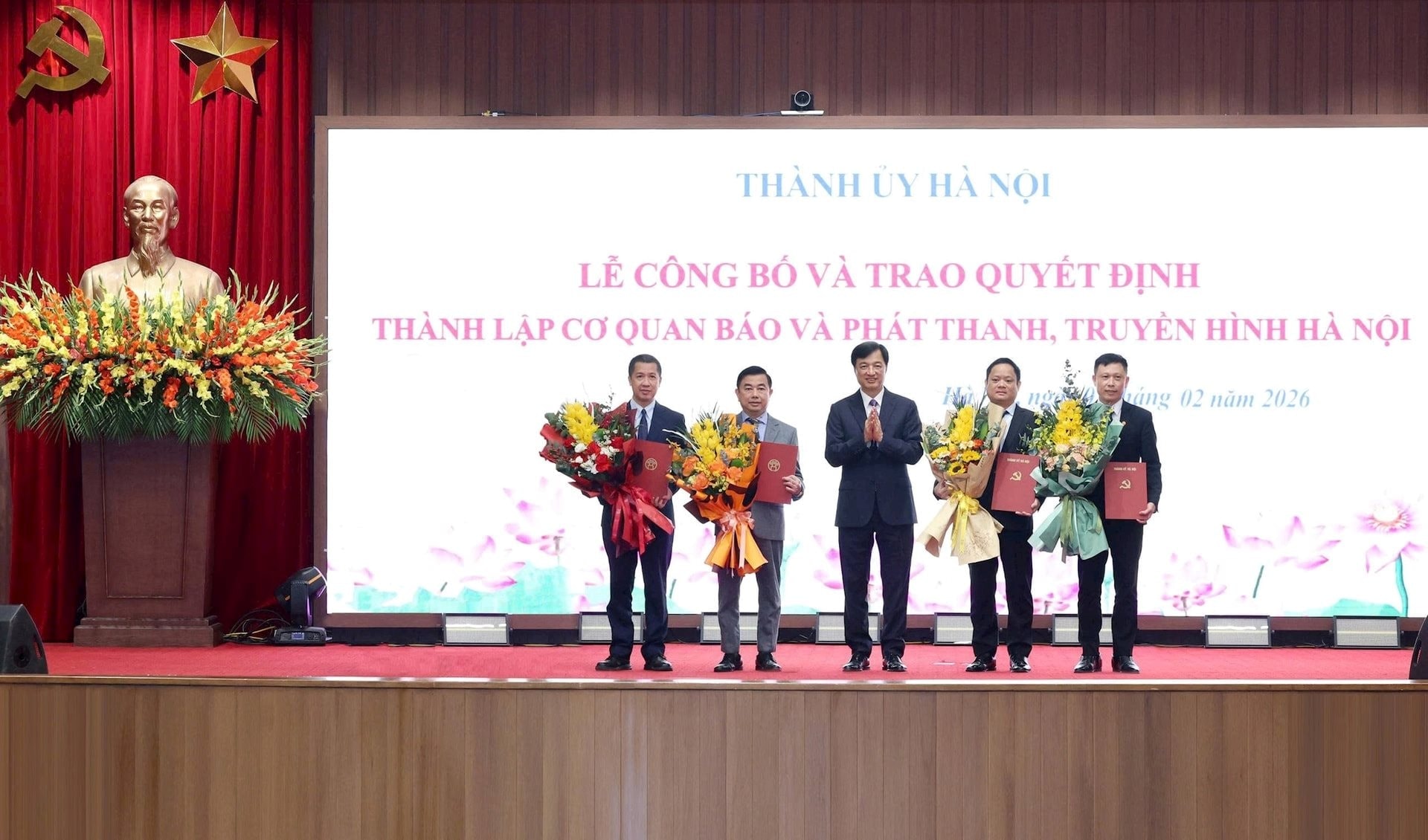
DOI: https://doi.org/10.70786/PTOJ.2026.4321 Abstract: The local radio and television system and local Party newspapers are the media and speech agency of the local Party Committee, the Government, and the People. In the context of the country entering a new era of development, the merging of local press agencies is a major policy of the Party to reorganize the press agency system to make it operate more effectively. The article analyzes the current state of operations of the local press agency system and the advantages and challenges in the merging process, thereby proposing a number of solutions to improve the effectiveness of press affairs after the merging.
Dr. NGO DONG HAI
Deputy Head of the Central Propaganda and Mass Mobilization Commission
1. Introduction
Over the years, under the leadership and direction of local Party committees and authorities, the radio and television system and local Party newspapers have promoted their role as the speech agency of the Party Committee, government and local people, and as the main propaganda agency, promptly, honestly and accurately conveying the Party's guidelines and policies, the State's policies and laws to the people. Party committees and authorities at all levels always pay attention to and orient press and communication work, create favourable conditions in terms of mechanisms and policies, ensure operating costs, facilities, train human resources, and support investment in technology and engineering.
Local press and radio agencies have played a good role as an information bridge between the Party, the government and the people, bringing the voice of the people to local Party committees and authorities, contributing to the dissemination of development achievements, typical examples, good and creative practices; at the same time, discovering and reflecting prominent and urgent issues at the grassroots level. Local Party newspapers are also a vanguard force on the ideological and cultural front, contributing to promoting the image, culture and potential of the locality, contributing to the fight against false information, protecting the Party's ideological foundation and orienting public opinion, actively participating in Party building and the political system, contributing to building the great national unity bloc, and promoting the spirit of patriotic emulation. Some units have made great efforts to renovate content and form of expression, transforming themselves towards multimedia journalism, many programs and columns have been renovated to be more vivid, closer, reflecting people's lives in a truthful manner.
In practice, in recent years, our country's press system has developed quite rapidly in terms of quantity, each ministry, branch and locality has many newspapers and magazines. However, this "hot" development also revealed shortcomings: in addition to the provincial Party Committee newspaper and the provincial Radio and Television station, some places also added special editions and magazines of associations and organizations, leading to dispersion and wastefulness of resources. On the other hand, the explosion of digital technology has completely changed the way readers access information, requiring increasingly higher quality content. In particular, many units are slow to renovate their operating models, still maintaining traditional organizational structures and management and operations, lacking flexibility, creativity, overlapping functions, overlapping and scattered information, and low efficiency. This is a huge challenge, requiring local press agencies to change to adapt to the times, improve the quality of operations to better serve the public.
2. Content
2.1. The need to merge local Party newspapers with local radio and television stations
The world is currently witnessing the explosion of the digital technology and multimedia revolution. The Internet, social networks, and new media platforms have fundamentally changed the way the public accesses information. Global journalism is transforming towards media convergence, integrating many types on the same platform to meet the public's need for fast and diverse information.
At the same time, competition in the media sector is increasingly fierce, with the emergence of many multi-dimensional sources of information, including bad, toxic, and distorted information. Press agencies of each country are required to adapt to the new media environment, renovate strongly to improve the effectiveness of information and propaganda, promptly grasp information, play the role of orienting information, and lead public opinion.
For Vietnam, increasingly deep international integration also means being affected by the global information flow, requiring press agencies to improve their quality, professionalism, and political courage to perform well the task of foreign propaganda and protect the Party's ideological foundation.
Faced with new development trends and requirements, the local Party newspaper system needs to promptly improve the quality of content, change the thinking of journalism, from "doing for propaganda" to "doing for persuasion", both ensuring orientation and attracting viewers and readers. In particular, local Party newspapers are facing the requirement of optimizing resources, reducing duplication in organization, personnel, facilities, and operating costs towards consolidating and restructuring the organizational model. It is necessary to rearrange the apparatus to be streamlined and efficient, while promoting the unique strengths of each type of press, and continuing to develop high-quality press human resources. There must be solutions to increase the effectiveness of information and propaganda, ensuring consistency, synchronization, and responsiveness in the work of orienting public opinion and reflecting information, while adapting to the new media environment, meeting the needs of multimedia information on many platforms, in line with modern press trends.
Our Party and State have identified that the arrangement and streamlining of the press system towards effectiveness and efficiency is an urgent task today. In recent times, facing the urgent need to renovate and improve the effectiveness of leadership in the press sector, our Party has issued many important documents, serving as a basis for orientation for the planning and arrangement of the press system, such as: Resolution No. 18-NQ/TW; Resolution No. 19-NQ/TW dated October 25, 2017 of the 12th Central Executive Committee on continuing to renovate the organization and management system, improving the quality and efficiency of public service units; Decision No. 362/QD-TTg dated April 3, 2019 of the Prime Minister approving the National Press Development and Management Plan to 2025; Conclusion No. 126-KL/TW on a number of contents and tasks to continue to arrange and streamline the organization of the political system in 2025 with specific directions, including the content on arranging the press system.
The guiding and operating documents are consistent in the viewpoint: the arrangement of the press system is a correct and necessary policy, aiming to build a healthy development of the Vietnamese revolutionary press, in accordance with the principles and purposes, meeting the requirements of national development. The policy of merging Party newspapers and local radio and television stations was born in the context of the entire political system actively implementing Resolution No. 18-NQ/TW, which is a concrete manifestation of that policy, in line with the inevitable trend of the times and the practical conditions of the country.
2.2. Some favourable outcomes of the merging process
Firstly, it helps to streamline the apparatus, optimize resources, and improve the operational efficiency of the press agency
First of all, the merging of the two main provincial press agencies will help eliminate the situation of both overlapping functions and tasks, and separation in operations between print newspapers and radio and television stations, enhancing the ability to coordinate, share information, content, and techniques between departments, helping to improve the quality of press products. Instead of two separate apparatuses with many similar departments, after the merging, there will be only one unified management point, the functional departments will be reorganized to be more streamlined, helping to improve professionalism, creating conditions for building a multi-functional press contingent, and adapting to the requirements of modern journalism.
The merging also helps save costs and reduce state budget expenditures for press activities through the sharing of facilities, technology, and personnel. A typical example is Quang Ninh province, which is the pioneer in implementing the press merging model since 2019: merging Quang Ninh newspaper, Quang Ninh Radio and Television Station, Ha Long newspaper, and part of the electronic information portal into the Quang Ninh Provincial Media Center. As a result, the number of department-level focal points decreased from 22 to 14, and the apparatus has become much more streamlined. This multimedia "converged editorial office" model has optimized human resources, and different types of press support one another, and productivity has increased significantly - the number of self-produced news and articles increased by 30% compared to that before the merging.
The experience of Nghe An province in merging Nghe An newspaper and Nghe An Radio and Television in 2025 also shows similar results: after the merging, the organizational structure will only have 1 editorial board and 12 specialized departments (4 departments less than before), and redundant personnel will be rearranged reasonably. The streamlined apparatus helps reduce administrative expenses, focusing the budget on professional activities.
Secondly, promoting the power of multimedia communication; increasing the spread of information to readers.
The merging of print newspapers and radio and television stations creates favourable conditions for media convergence, and production content can be released simultaneously on multiple platforms (print newspapers, electronic newspapers, television, social networks) while still promoting the strengths of each type to improve content quality. The merged press agency can fully implement all types of journalism, helping information spread on multiple channels, which help to reach a wider audience. With the new model, an important news article about the province's policy can be simultaneously published in print newspapers, electronic newspapers, broadcast on radio, television, and social networks, creating a stronger propaganda effect than before. Professional departments can coordinate flexibly to creatively and attractively convey contents on multiple platforms, meeting the modern information needs of the people.
This is also an opportunity for the press contingent to improve their professional skills in the direction of "multi-talented journalists" - a reporter who can work and produce news articles for many types of press, thereby improving the quality of local press human resources. The technical infrastructure of the newspaper and radio station after the merging will also be shared, avoiding duplicate investment, focusing the budget on upgrading modern journalism technology, such as electronic editorial offices, integrated content management systems (CMS), modern studios... All of these factors help the press agency after the merging have a much greater overall strength than each individual agency before.
Thirdly, unifying leadership and improving the propaganda effectiveness of press agencies.
Previously, the Party newspaper belonged to the Provincial Party Committee while the Radio and Television Station belonged to the Provincial People's Committee, so there might be certain differences in content direction. According to the guidance of the Secretariat, the merged newspaper and radio operate under the model of a public service unit directly under the Provincial Party Committee, under the direct leadership and direction of the Provincial Party Committee. This is a favourable factor, ensuring high unity in political and ideological orientation in information and propaganda. The merged press agency will truly become the common voice of the Party Committee, the government, and local people, promoting its role as a speech agency and forum for the people in the province.
In addition, thanks to the unified focal point, the responsibility of the provincial Party Committee is enhanced, focusing on closer direction, timely and smooth propaganda orientation from the provincial level to the grassroots. On the other hand, having a common governing body also helps to facilitate information coordination between departments and branches in the province with the press agencies. Thus, the direction, orientation, and effectiveness of propaganda and education of the local press will be significantly improved after the merging.
Fourthly, strengthen the brand and increase the competitiveness of local newspapers.
After the merging, if communication work is performed well, it will help build a stronger local press brand. According to the guidelines, the new unified name is often still associated with the name of the Provincial Party Committee newspaper (which is already familiar). A strong local press brand will create conditions to attract readers and listeners, thereby expanding the influence of the local Party Committee's information orientation in society.
In addition, the synergy of different types of press also helps increase the competitiveness of local press in the face of the dominance of social networks and other media. A local press agency with all four types (print, electronic, radio, and television) with more abundant resources will be able to provide fast, authentic, and in-depth information, thereby attracting the public back to the official channel. This contributes significantly to positively orienting local public opinion, maintaining the ideological and cultural front against false and hostile information.
Fifthly, improve professionalism, in line with modern communication trends
People increasingly tend to access information via phones, social networks, mobile applications, etc. The merging helps local press agencies flexibly convert content to modern formats: short clips, infographics, livestreams, podcasts... At the same time, the technical system and human resources are optimized, helping press agencies improve professionalism, adapt faster to new technology, and increase competitiveness in terms of content, form, and speed.
2.3. Some difficulties and challenges
The merging of Party newspapers and local radio and television stations is not only a practical requirement, but also a strategic solution in line with the spirit of Resolution 57-NQ/TW of the Politburo in promoting digital transformation, renovating management methods, improving the effectiveness of propaganda, and serving the people. This is an inevitable step to modernize Vietnam's revolutionary press in the digital age. However, in addition to advantages and opportunities, the merging of Party newspapers and local radio and television stations in the current context also faces many difficulties and challenges, including:
Firstly, it is difficult to unify the organizational structure and operating mechanism
Merging two agencies that have different types and operating cultures, with many differences in operational characteristics, with different production processes, formats, and professional skills, can easily lead to conflicts in production organization and division of labour, requiring organizational adjustment and unification. Printed newspapers (Party newspapers) have long operated under the traditional printed press editorial model, while radio and television stations operate under the model of radio and television agencies with their own technical characteristics, which will cause difficulties in management and operation.
In particular, implementing the policy of merging provinces, the Party newspaper agencies of 2 or 3 localities were merged. The merging of many focal points (4 to 6 focal points) into a large-scale, diversified unit requires leaders with high comprehensive capacity and understanding of many professional fields. When merging, the design of the organizational structure must ensure that it covers both the functions of the newspaper and the radio and television stations. The development of working regulations and internal coordination processes also takes time.
In the initial stage, it is inevitable to be confused when integrating the culture and traditions of different localities. The management style and financial and accounting regime of print newspapers and television stations may have been different in the past, but now it is necessary to unify the internal management system (personnel management, assets, budget, etc.) so that it can run smoothly. If the organization and operation are not well prepared, there is a risk that the operation will not be smooth, affecting the quality of information. This is the reason why the Secretariat requires localities to develop a scientific and rigorous unification project, submit it to competent authorities for appraisal and approval before implementation, in order to minimize organizational problems and information interruptions.
Secondly, the thoughts and psychology of the staff and reporters
The merging will certainly lead to a surplus of human resources in some positions due to overlapping functions, thus creating a mentality of apprehension and internal instability. In addition, implementing the policy of merging provinces, the Party newspaper agencies of 2 or 3 localities are merged together, leading to problems of differences in culture, psychology, internal unity and solidarity, problems of personnel arrangement and assignment of tasks. Therefore, if ideological work is not done well, it is easy to cause disturbances, even negativity in a part of cadres, reporters, and even leaders, affecting work.
The Central Propaganda and Mass Mobilization Commission has emphasized the need to focus on ideological work for cadres, reporters, editors, and workers, and not let the arrangement and consolidation affect the implementation of political information and propaganda tasks. This is a challenge and also the top priority task of Party committees at all levels when merging newspapers and radio stations.
Thirdly, legal issues, procedures, and policy mechanisms
The merging process also raises a number of legal issues that need to be resolved due to the lack of uniformity in the legal system and policies. Some regulations related to the operating mechanisms, regimes, and policies for journalists are not yet unified, causing difficulties during the merging. According to the 2016 Press Law, each press agency is granted a press operation license for each type. When merging print newspapers and radio and television stations, it is necessary to adjust the license so that the new agency is allowed to publish print newspapers, electronic newspapers, and broadcast radio and television. Currently, the common method is to use the print newspaper operation license (of the Party newspaper) and add other types, renaming the agency with a new name. However, this is a relatively complicated procedure, requiring coordination between the locality and the Ministry of Culture, Sports, and Tourism.
On the other hand, the change of the governing body (the radio and television station from the provincial People's Committee to the provincial Party Committee) also requires corresponding administrative decisions and budget adjustments. The operating budget of the station was previously provided by the provincial budget (government sector), now has been transferred to the provincial Party Committee for management, so the financial allocation mechanism must change in accordance with regulations.
In addition, policies for redundant staff after the merging (layoff, early retirement, transfer to other jobs) need to be resolved satisfactorily. If the support policy is not strong enough, it will be difficult to create consensus. This is a real challenge when most local newspapers have relied heavily on the budget. It is very likely that the new agency will encounter financial difficulties in the early stages without a transitional support mechanism.
Fourthly, the risk of a decline in information quality.
During the process of arrangement and consolidation, the internal workload increases (organizational meetings, personnel arrangements, facility improvement, etc.). Information content may be duplicated or lack depth without close direction, smooth coordination, and clear direction. Another risk is overloading the contingent of reporters and editors when they have to multitask more than before. Initially, many people were not used to producing multimedia news articles, leading to reduced work efficiency. In addition, brand consolidation sometimes causes concerns and fears about the risk of losing identity and diluting content. These are issues related to public psychology and content quality that the new agency must quickly overcome by maintaining good information activities during the transition period.
Fifthly, the requirement for digital transformation
After the merging, the new organizational model often aims to build a multimedia agency, integrating many platforms. This requires modern information technology infrastructure, a content management system, flexible digital content production and distribution capacity. However, many localities currently do not meet the requirements for digital infrastructure and technology capacity (such as: weak information technology infrastructure, lack of data centers, servers, stable transmission lines; technical staff, reporters not trained in digital skills; lack of professional digital system operators; limited investment budget, difficulty in synchronous investment in digital infrastructure, especially in mountainous provinces, remote areas), leading to the risk of merging in form but not being able to renovate content and operation.
The process of implementing the merging of Party newspapers and local radio and television stations will certainly encounter many difficulties from human, organizational to mechanism and technical factors. Identifying and anticipating these challenges will help localities proactively plan the transition, take appropriate measures to minimize negative impacts, and maintain press activities during the transition period.
2.4 Some solutions to improve the operational efficiency of local press agencies after the merging
In order for the policy of merging local Party newspapers and local radio and television stations to be successfully implemented and bring about practical results, a system of synchronous solutions in terms of awareness, organization, and policy is needed. Below are some specific solutions:
Firstly, ensure direct and comprehensive leadership of the Party Committee, strengthen ideological work, and create a high consensus within the Party
This is a strategic guiding principle, ensuring that local press and media activities maintain their role as a sharp ideological tool of the Party, effectively serving political, ideological, propaganda, and local development work. Right from the preparation stage, local Party committees must perform a good job of disseminating and propagating within the two press and radio agencies about the meaning and necessity of the merging policy. Provincial leaders need to meet, discuss, and listen to the thoughts of cadres, reporters, and editors; clearly explain the long-term benefits of the arrangement, and at the same time commit to harmoniously handling the rights and benefits of workers.
After the merging, it is required to regularly organize ideological activities, encourage and motivate active individuals, and promptly correct any signs of a lack of cooperation. In addition, it is necessary to promote emulation and reward work so that cadres can compete to perform their tasks well in the new environment. Local Party newspapers after the merging need to be under the direct leadership and direction of the provincial and municipal Party Committees to ensure unity, efficiency, and maintain political orientation. The assignment of governing bodies must ensure that political requirements are paramount, avoiding the tendency to administrativeize press activities, non-political activities, or deviate from the goal of serving the political tasks of the locality, causing difficulties for ideological orientation.
Secondly, build a scientific organizational model, operate smoothly, and suit the characteristics of each locality
The merging of Party newspapers and local radio and television stations needs to be oriented in principle, but a single organizational model should not be imposed on all localities. Each province and city has its own characteristics in terms of socio-economy, population, geography, communication infrastructure, technology level, human resources, and political propaganda requirements. Therefore, the name, scale, and organizational structure of the local Party newspaper after the merging must take into account the existing capacity and development conditions of the locality. Each province and city needs to base on its specific characteristics to choose a name and build a suitable and effective organizational model, ensuring both the goal of streamlining and promoting its internal strengths, making the best use of its strengths, potentials and brand advantages to serve the work of propaganda, political and ideological education and comprehensive development of the locality, while promoting the capacity to exploit revenue sources to serve professional activities and development.
Each locality, especially the new locality after the merging, needs to base on general guidelines and practical situations to design a reasonable organizational structure for the merged press agency. It is possible to refer to successfully implemented models, but it needs to be flexible to suit the characteristics of each province. The implementation process needs to pay attention to periodic evaluation, helping to identify problems early for timely adjustment; at the same time, it helps to identify suitable models to apply and replicate to improve propaganda effectiveness, save costs, and make use of resources. This is an important solution to ensure that the Party's policy of unifying the press is not only correct in policy but also correct in practice.
Thirdly, streamline the organization and apparatus towards leanness and efficiency; build a professional and creative working culture and environment
To organize a streamlined, effective, and efficient apparatus after the merging, it is necessary to arrange and rearrange the staff reasonably, reduce duplication of functions and tasks, select leaders with leadership capacity, modern communication thinking, clear understanding of political and ideological functions, and a vision for digital transformation. The new organizational principle is not to take on too many departments and offices, to avoid being cumbersome; each department and office should be organized in a multi-tasking direction (in charge of content for print, electronic, radio, and television in the same field). At the same time, build detailed and clear regulations on coordination between departments for smooth operation.
In particular, it is necessary to establish a news production process according to the converged editorial office model. Apply a common content management technology system so that departments and divisions can easily share information and documents. The agency's leadership (Editor-in-Chief and Deputy Editors-in-Chief) must flexibly coordinate human resources between departments when necessary, ensuring the principle of one task being handled by only one focal point, not allowing overlapping situations to reoccur.
When issuing a merging decision, it is necessary to organize a transparent and public announcement of the organizational structure plan, personnel arrangement, job placement criteria, etc. Focus on building a professional, creative, and open working environment; build agency culture and internal solidarity, organize collective activities, and create cohesion between professional groups. Strengthen internal communication, listen, and share to remove psychological barriers after the merging. At the beginning of the merging, it is possible to pilot some small projects such as: organizing a group of inter-departmental reporters to jointly carry out a multimedia topic, thereby gaining experience in coordination methods.
Fourthly, invest in technology and facilities for digital transformation, increase the application of AI technology and big data
Merging is not simply a matter of gathering sources but must aim towards multimedia - multi-platform communication. After the merging, Party newspapers and local radio and television stations will no longer operate separately according to each type, but will aim to operate according to the multimedia communication model - content convergence. In the context of the press facing fierce competition from social networks and cross-border platforms, if the mainstream press does not have enough technology to support the production and distribution of information quickly, strongly, and accurately, it will be difficult to maintain its role in guiding public opinion. This requires the technology infrastructure system to meet the capacity to produce, edit, store, and publish content on many platforms. Therefore, if there is no synchronous investment, the new model will be both patchwork and ineffective, even causing a break in the information production chain. Technology investment is not only a requirement for technical support, but also a condition for realizing a modern, convergent, flexible, responsive, and effective communication model.
In addition, the increased application of AI and big data technologies in content production helps agencies consolidate content management, reach target users, analyze public behavior, and measure dissemination effectiveness, contributing to improving the quality, personalizing media content, and serving people better. Investing in technical infrastructure, digital content production software, and modern filming and editing equipment is a prerequisite and mandatory condition to meet the requirements of digital transformation.
Fifthly, perfecting mechanisms and policies to support the merging process, building financial mechanisms suitable for the operations of local press agencies
The role of the Government, ministries, and central agencies is very important in issuing policies to remove obstacles for localities. First of all, the Ministry of Culture, Sports, and Tourism needs to provide specific instructions on the procedures for granting and changing press operation licenses for merged agencies, ensuring quickness and convenience. The Ministry of Home Affairs needs to coordinate with the Central Organizing Committee to provide instructions on personnel arrangement, streamlining payroll when merging public service units, and have appropriate policies (severance pay, early retirement) for those who have to retire or transfer jobs after the merging.
It is necessary to build a unified and flexible financial mechanism, suitable for the characteristics of public units performing political and communication tasks, while creating conditions for developing service activities and increasing legal revenue sources. Strengthening autonomy, transparency, and publicity in financial management, contributing to the successful implementation of the policy of streamlining the apparatus, and improving the effectiveness and efficiency of press and communication activities in the new situation. At the same time, gradually implement the policy on reducing subsidies and increasing financial autonomy: encouraging new press agencies to seek legal sources of revenue (advertising, communication services, joint production of programs, etc.) to improve resources. The State can issue a "media ordering" mechanism - that is, paying funds for local press agencies to carry out propaganda campaigns on important tasks (for example, hunger eradication and poverty reduction, new rural development, etc.), both helping press agencies have more revenue and ensuring effective communication of these tasks. In the long term, the amendment of the Press Law should also consider adding regulations on the model of multimedia press agencies under local Party committees to create an official legal corridor.
Sixthly, maintain and improve content quality throughout the transition process; renovate journalism thinking, and develop high-quality content
When merging, press agencies must prioritize political tasks and ensure information and propaganda work. Local Party committees need to direct the development of specific communication activity plans during the transition period, clearly assigning people in charge of each content area to ensure that the flow of information is not interrupted. At the same time, it is required to take advantage of content support from central and regional press agencies (for example, relaying and rebroadcasting some columns) to reduce the load.
After the merging, it is necessary to quickly stabilize to improve the quality of content and strengthen people's trust. Maintaining and improving the quality of content will be the most convincing answer to public opinion about the effectiveness of the new model. With a larger contingent and a stronger foundation, the new model must aim to produce "heartfelt and visionary" press products that both orient ideas and create public interest and sharing. This is not only a professional requirement, but also a condition for successful transformation, developing high-quality content, thereby maintaining the role of leading information, orienting public opinion, and serving political tasks in the digital media era.
Seventhly, focus on training and improving the capacity of the journalism contingent
This is the key solution for the unified press agency to operate effectively. It is necessary to review the qualifications and skills of existing personnel, on that basis, develop a plan to retrain reporters and editors to meet the requirements of modern media, focusing on fostering multi-functional working skills. In addition, it is necessary to strengthen training in modern press management for the leadership contingent, especially in technology applications, reader data analysis, multi-channel editorial office management... In addition to professional skills, it is necessary to continue educating about professional ethics and political mettle so that the press contingent can stand firm in the face of all challenges, worthy of being soldiers on the ideological front.
Eighthly, enhance exchange and learning experiences between localities
The process of implementing the merging of newspapers and radio is new to many provinces, so sharing experiences is very necessary. The Central Propaganda and Mass Mobilization Commission can chair conferences and seminars so that localities that have gone ahead (such as Quang Ninh, Ha Nam, Yen Bai, Da Nang, Long An...) can report on models, methods, and lessons learned. Other localities can draw appropriate experiences from this success. Regular information exchange also helps to detect common difficulties early and propose support from the Central Government.
The post-merging press agencies in the provinces should also establish a network to support one another in terms of operations and content. A newly-established merged newspaper and radio station can form a sister newspaper and cooperate in media with a previously established newspaper and radio station in another province, thereby learning how to manage and coordinate production. On the other hand, it is necessary to strengthen coordination between local and central media agencies, creating a unified press ecosystem, to spread more effectively, creating a common strength for the press nationwide.
Ninthly, strengthen the role of social supervision and criticism
The Fatherland Front, organizations, and experts need to participate in monitoring the merging process, ensuring transparency, openness, and consensus among the contingent; helping to screen out remaining issues, identify shortcomings early for timely adjustments, and ensure the merging is in the right, effective, and substantive direction.
3. Conclusion
The policy of merging Party newspapers with local radio and television stations is a correct policy, in line with the development trend of modern journalism and with the spirit of the Central Resolutions, especially Resolution No. 18-NQ/TW, Resolution No. 19-NQ/TW, Resolution No. 57-NQ/TW, Resolution No. 60-NQ/TW and the profound and timely directions and instructions of General Secretary To Lam. The implementation of this policy is not only to streamline the apparatus and save the budget, but also to enhance propaganda capacity, affirming the strategic role of revolutionary journalism in the digital age.
However, the implementation process requires a specific roadmap, synchronous solutions, and especially consensus from the contingent of cadres, reporters, and editors to achieve the expected results. This is an important political task, requiring direct and regular leadership of the Party Committee, synchronous participation of the government, departments, and functional branches, along with consensus, responsibility, and renovation spirit of the contingent of journalists. The merging contributes to creating a strong media entity capable of leading public opinion, spreading positive values, and contributing to protecting the Party's ideological foundation in the era of national development.
Received: May 22, 2025; Reviewed: May 27, 2025; Approved for publication: June 05, 2025.

Under supervisory of: Ho Chi Minh National Academy of Politics
Editor in Chief: Assoc. Prof., Dr. Nguyen Thang Loi