

Solutions to improve connectivity in buildding modern rural areas
Abstract: Building modern rural areas is a major policy of the Party in the process of industrialization and modernization of the country, a strategic orientation to improve the lives of rural people in a sustainable way. This article focuses on analyzing the Party's viewpoints, the current status of the connection among subjects in building modern rural areas in Vietnam today, and proposing a number of solutions to strengthen the coordination among subjects in building modern, civilized, and sustainable rural areas.
Dr. NGUYEN THI TUYET
Ho Chi Minh National Academy of Politics
Dr. PHAM QUYNH TRANG
Academy of Politics Region I
1. Introduction
In the process of agricultural and rural development, the construction of new rural areas is a fundamental factor for comprehensive development, towards rural modernization. In the context of international economic integration and growth model transformation, agriculture, farmers, and rural areas (abbreviated as “tam nông”) continue to be important pillars of the Vietnamese economy. However, to successfully implement the program of building advanced and exemplary new rural areas, it is necessary to build a development ecosystem with close coordination among related subjects. This connection is not only reflected in the clear division of roles, but also in the mechanism of effective and responsible action coordination.
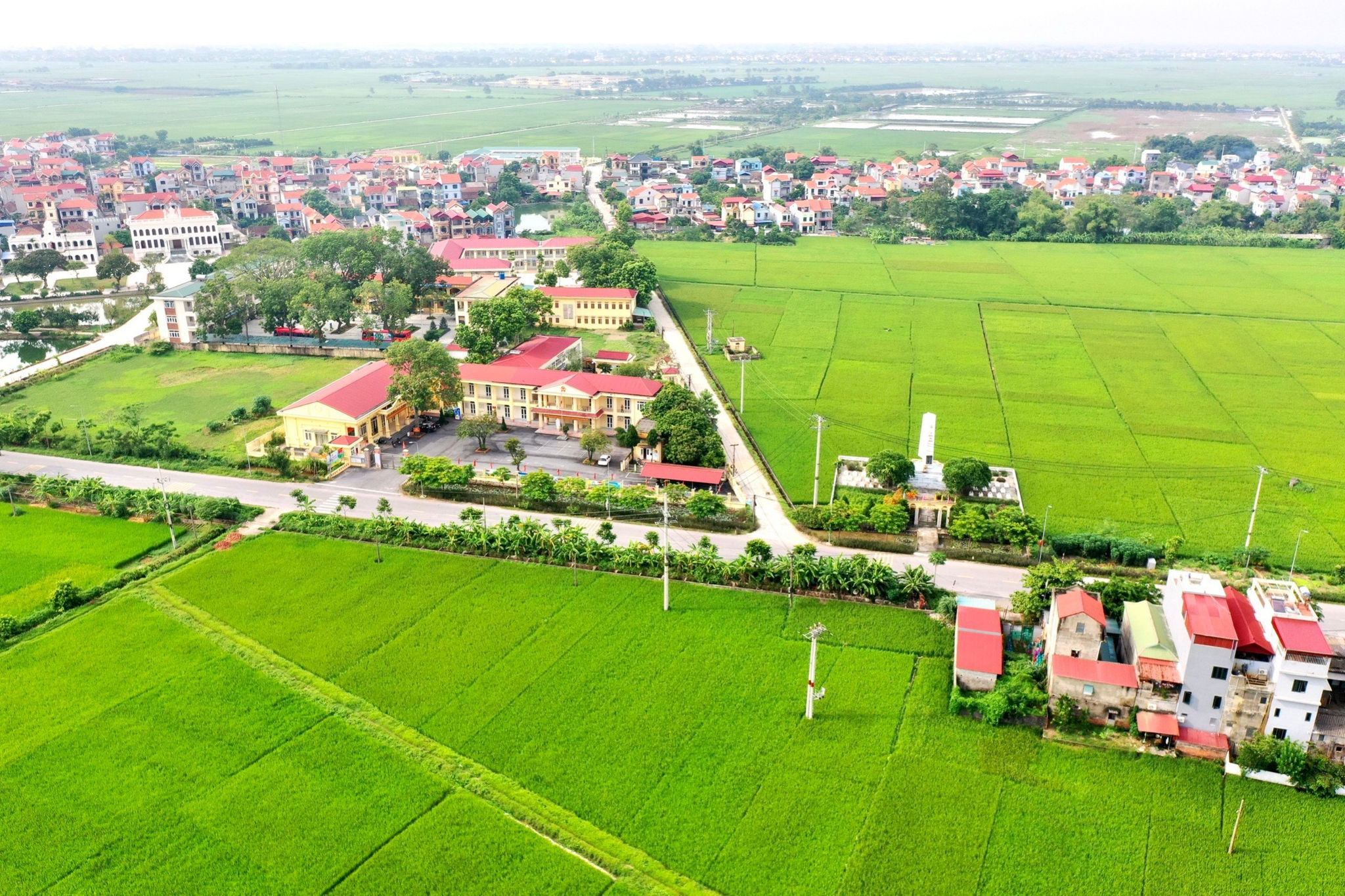
Modern rural areas are a rural development model associated with the comprehensive modernization of the economy, society, infrastructure, and management, aiming to improve the quality of life for rural residents and the development level of the community. This is a living space that both promotes traditional cultural values and approaches modern urban standards, adapts to the market mechanism, and international integration. Modern rural areas must be consistent with the orientation of sustainable development, and operate according to the principles of a socialist rule of law state in which the people are taken as the center. The goal is to build a safe, green, clean, and beautiful living environment while improving competitiveness, innovation, and efficiency of agricultural production.
Modern rural development is a complex process, requiring the participation of many subjects with different roles, functions, and interests. Identifying and analyzing each subject clearly not only helps to determine the correct roles and responsibilities but also serves as a basis for establishing effective coordination mechanisms, thereby improving the effectiveness of the modern rural development program.
In the current Vietnamese context, the main actors in building modern rural areas include: the State as the actor that creates, coordinates and guarantees institutions; farmers as the central actor of the process of building rural areas; enterprises as the driving force that promotes linkages and innovation in production; cooperatives and social - professional organizations as intermediary bridges in the development ecosystem; research and training institutions as the source of knowledge and innovation.
2. Content
2.1. The Party’s viewpoint on modern rural construction
The Communist Party of Vietnam has identified the construction of modern rural areas as a strategic, comprehensive, and long-term task of special importance in the cause of national development. The construction of modern rural areas must be carried out synchronously with the process of industrialization, modernization, and international integration, on the basis of inheriting traditional cultural values of the nation and adapting to the requirements of the times.
Modern rural development is a process of oriented development, aiming to comprehensively improve the material and spiritual life of rural people, ensure social equity, preserve cultural identity, improve the living environment, and protect natural resources.
The 13th National Party Congress clearly stated the development orientation of “tam nông” in the new period as: “Continue to effectively implement the policy of restructuring agriculture, developing agriculture, and rural economy in association with building new rural areas in the direction of ecological agriculture, modern rural areas and civilized farmers”(1). Developing “ecological agriculture, modern rural areas, and civilized farmers” represent completely new contents, forms and methods of development, and is one of the key goals of the country’s development process until 2030, with a vision to 2045.
Modern rural areas are not only reflected in the renovation of infrastructure, technology, and production models, but also in the profound transformation of the quality of human resources, cultural and social life, and community management capacity. In this process, the people play a central role - both as the subject and the beneficiary, and at the same time directly participating in the process of building and developing rural areas.
A new element in the Party’s viewpoint is building modern rural areas associated with restructuring agriculture towards ecology, applying the achievements of Industrial Revolution No.4, and at the same time promoting the development of green economy and digital economy in rural areas. Focusing on shifting labor structure, developing non-agricultural industries, improving labor productivity and income for the people, ensuring social security, and achieving the goal of sustainable hunger eradication and poverty reduction. Building modern rural areas is associated with preserving and promoting traditional cultural values, developing a green, clean, beautiful living environment, and effectively adapting to climate change and environmental challenges. The rural environment is an inseparable element in sustainable development, requiring fundamental solutions in the treatment of waste, wastewater, as well as domestic and production waste.
It is necessary to clearly see the central role of the political system and the effective coordination among: State - enterprises - scientists - community in mobilizing resources for rural development. In this, the State plays a guiding and supporting role; the community is the force implementing and enjoying the results; organizations, enterprises, and experts have the responsibility to accompany through sharing technology, finance, and management experience to promote the rural development process in a sustainable and effective manner.
The Party and the State have issued many directive and leadership documents to orient and promote the process of building modern rural areas, such as: Decision No. 263/QD-TTg dated February 22, 2022, of the Prime Minister approving the National Target Program on New Rural Construction for the period 2021 - 2025; Decision No. 318/QD-TTg dated March 8, 2022, of the Prime Minister promulgating the National Criteria Set for New Rural Communes and the National Criteria Set for Advanced New Rural Communes for the period 2021 - 2025; Decision No. 320/QD-TTg dated March 8, 2022 of the Prime Minister promulgating the National Criteria Set for New Rural Districts; regulations on towns and provincial cities to complete the task of building new rural areas and the National Criteria Set for Advanced New Rural Districts for the period 2021 - 2025.
2.2. Key areas in modern rural construction
Modern rural areas are a comprehensive development model, clearly demonstrated through specific areas to improve the quality of life, promote economic growth, and ensure sustainable development. The synchronous development of these areas is a necessary condition so as to realize the goal of rural modernization, and at the same time is the basis for establishing an effective coordination mechanism among the subjects participating in the process of building modern rural areas.
Firstly, diversifying economic development is an important pillar of modern rural areas. Today’s rural areas cannot continue to rely on the single, small-scale, and self-sufficient agricultural production models as before. Instead, it is necessary to promote the diversification of the rural economy, including the development of high-tech agriculture, processing industry, trade - services, handicrafts, and especially rural tourism and community tourism. The transition from traditional production models to a multi-sector economy aims to create conditions to increase income, expand local employment opportunities for people, reduce pressure on labor migration, and promote sustainable rural development in the long term.
Secondly, investing in the development of a synchronous, modern infrastructure system is an essential technical foundation for new rural construction. Rural infrastructure needs to be planned and invested in a systematic manner, with a long-term strategic vision. This includes essential items such as rural transport systems, the national power grid, water supply and drainage systems, telecommunications infrastructure, schools, medical facilities, traditional markets, community centers, and so on. In particular, it is necessary to pay attention to developing digital infrastructure to help rural people access information technology, electronic transactions, and use online public services. Developing a synchronous infrastructure system will create favorable conditions for production and business development, improve the quality of life, and gradually narrow the gap between rural and urban areas.
Thirdly, protecting the environment and building a green, clean, and beautiful countryside are essential requirements in the process of developing a modern countryside. A sustainable environment is the foundation for protecting public health and improving the quality of life. Modern rural areas need to synchronously deploy environmental protection solutions such as collecting and treating waste, domestic wastewater, livestock waste, treating production wastewater, exploiting and using renewable energy, protecting water sources, and natural ecosystems. In addition, it is necessary to encourage the development of ecological village models, clean agricultural production, and the application of environmental standards in rural planning and construction. Only when the living environment is guaranteed to be clean can the countryside truly become a “livable” place and develop in a sustainable manner.
Fourthly, progressive cultural and social development is a core factor in modern rural construction. Modern rural construction not only focuses on economic and infrastructure development, but also on human development, preserving and promoting traditional cultural identity, while improving people’s knowledge, health care, education, promoting gender equality, and enhancing social welfare. It is necessary to invest in building a system of grassroots cultural institutions such as cultural houses, libraries, sports fields; and effectively implementing programs for universal education, primary health care, and prevention of social evils. The harmonious combination of traditional culture with modern elements will create a stable social environment, connect the community, and improve the quality of life for rural people.
Fifthly, smart management is an inevitable trend in modern rural construction. Smart management in rural areas needs to be deployed on the basis of digital technology, big data, and geographic information systems. The application of information technology in planning work, population management, construction supervision, commune budget revenue and expenditure, receiving feedback from people... will contribute to improving transparency, efficiency, and reducing management costs. At the same time, the application of technology in agricultural production such as precision agriculture, supply chain management, product traceability... helps people improve productivity, quality, and increase the competitiveness of products in the market.
In particular, strong resources and comprehensive innovative thinking is needed to synchronously develop all fields in modern rural construction. Modern rural construction places increasingly high demands on investment capital - from the state budget, the private sector, and international cooperation sources. More importantly, it is necessary to have a team of cadres with strategic thinking, management capacity, and the ability to flexibly adapt to rapid changes in the market and technology. At the same time, rural people – taken as the central subject - need to be equipped with new knowledge, skills, and thinking to actively and proactively participate in the process of rural development towards modernity, sustainability, and integration.
2.3. The current status of linkage among subjects in modern rural construction
Vietnam has achieved great results, recognized internationally, in hunger eradication, poverty reduction, and new rural development, especially after more than a decade of implementing the National Target Program. However, the connection between the subjects in this process is still limited. Efforts to strengthen the connection have been demonstrated through support policies, public-private partnership projects, new cooperative models, and tripartite coordination programs: State - enterprises - farmers. The connection among the subjects still lacks stability, efficiency, and sustainability, thereby making it difficult to realize the goal of building modern rural areas and civilized farmers.
Firstly, the link between farmers and enterprises is still loose and unsustainable. In many cases, product purchase contracts between farmers and enterprises are not built on the basis of equality and transparency, leading to contract violations or enterprises refusing to purchase products when the market fluctuates unfavorably. Due to their weaker position in production relations, farmers often have to bear risks without a specific mechanism to protect their rights.
One of the main reasons for the ineffectiveness of the linkage between farmers and enterprises is the violation of product purchase contracts when market prices fluctuate. Specifically, when market prices increase higher than the price agreed in the contract, some farmers choose to sell their products to traders to maximize profits, instead of complying with the commitments signed with the enterprises. On the contrary, when market prices decrease, some enterprises refuse to purchase products according to the contract, causing losses to farmers. In addition, the absence of intermediary organizations with the function of regulating and ensuring contract enforcement makes this relationship even more fragile and easily broken. This reduces trust between the parties and directly affects the effectiveness of agricultural value chain linkages. Many contracts are signed without the participation or supervision of local authorities, leading to the fact that when disputes arise, there is no competent authority to resolve and protect the legitimate rights of the parties involved.
Cooperatives and intermediary organizations are expected to be the bridge between farmers and businesses, helping to regulate and stabilize cooperative relationships. However, reality shows that many cooperatives do not have enough capacity to perform this role effectively. Lack of expertise, finance, and human resources also makes it difficult for cooperatives to organize production, monitor contract implementation, and protect farmers’ rights.
The loose connection between farmers and businesses not only affects each crop but also negatively impacts the entire agricultural value chain. When trust among parties is reduced, investment in production, processing, and consumption of agricultural products is also limited, leading to low economic efficiency and difficulties in building a modern and sustainable agriculture.
Secondly, the linkage between the State and other entities has not yet fully promoted its role in creating development. Though the State plays a central role in policy making and resource coordination, at the local level, implementation is still administrative, inflexible, and not based on the actual needs of the community. Many policies on supporting rural development have been issued, but are scattered, lack integration, and do not closely follow regional characteristics. The situation of “hot above, cold below” in management and operation leads to a lack of synchronization between the central and local levels, reducing the effectiveness of linkage policies and support for sustainable development in rural areas.
The implementation of policies at the local level is often imposed from the top down, lacking consultation and participation by the community. This leads to programs not being suitable for the actual conditions and needs of each locality, reducing the effectiveness and sustainability of new rural construction projects. Many policies to support rural development have been issued, but they lack coordination and integration between sectors and fields. This leads to overlaps, waste of resources, and failure to achieve the desired results. The lack of coordination between ministries, sectors, and localities also reduces the capacity to synchronously and effectively implement rural development programs.
One of the reasons for the ineffective implementation of new rural development programs is the limitation in community participation. In many cases, people are not fully involved in important stages such as planning, designing, and monitoring project implementation. This leads to projects being implemented that are not suitable for the practical needs and specific conditions of the locality. As a result, the sustainability and effectiveness of rural development programs are thereby reduced.
The lack of a mechanism for monitoring and evaluating the effectiveness of policies is also one of the reasons why the implementation of new rural development programs has not achieved the expected results. Without a strict monitoring and evaluation system, the actual effectiveness of rural development programs, leads to the inability to promptly adjust or improve policies to suit the practical needs of the community.
Thirdly, the relationship between social organizations, cooperatives, and farmers remains formalistic. Although it is expected to be an important bridge between producers and markets and development resources, many social organizations and cooperatives currently do not have the capacity to effectively play an intermediary role. Most cooperatives still operate according to the old model, lack a long-term strategic vision for development, have weak management capacity, and have not adapted to the market mechanism. At the same time, social and professional organizations have not really participated deeply in the process of organizing production, monitoring policies, or representing the voice of farmers, making their role in connecting and protecting their interests still limited.
By the end of 2024, the country will have about 21,700 agricultural cooperatives, of which only 14,300 will operate effectively, accounting for 65.6% of the total number of agricultural cooperatives(2). This shows that there is still a significant proportion of agricultural cooperatives operating inefficiently or ineffectively, affecting the intermediary role between farmers and the market. Failure to adapt to the market mechanism makes it difficult for cooperatives to organize production, consume products, and expand markets, limiting support for farmers to increase product value and income.
Social and professional organizations such as the Farmers’ Association, Women’s Union, Youth Union... have not participated deeply in the process of organizing production, monitoring policies, or representing the voice of farmers. The relationship among social organizations, cooperatives, and farmers is still formalistic and ineffective. This leads to support policies not reaching the right subjects, causing waste of resources and reducing the effectiveness of rural development programs.
Fourthly, the connection between research and training areas and rural communities is still fragmented and unsystematic. The connection between research institutes, universities, and localities mainly stops at short-term programs, lacks a proper strategy, and has not formed a sustainable coordination mechanism. Most of the results of scientific and technological research have not been effectively transferred to cooperatives and farmers, due to the lack of intermediary implementation teams, limited funding, and low technology reception capacity of the people. This situation makes the gap between research and practice increasingly wider, reducing the effectiveness of renovation initiatives in modern agricultural and rural development.
Within the framework of the Forum on connecting agricultural science and technology products with businesses, cooperatives, people, and organizations on July 10, 2024, many science and technology products were introduced, but their application in production practices still faces many difficulties due to the lack of a sustainable coordination mechanism among relevant parties.
In spite of many limitations, some effective cooperation models have begun to emerge between research institutes, universities, and rural communities. A typical example is the signing ceremony of cooperation in training and technology transfer for livelihood development between the Central Rural Development Center, Hue University of Agriculture and Forestry, and Central Group Vietnam. This event has laid the foundation for technology transfer from scientists to people, with the support of the government and the companionship of businesses. This model has contributed to shortening the distance from production to market, while creating sustainable added value for farmers.
2.4. Some basic solutions to enhance connectivity among subjects
In the context of modern rural development, promoting connectivity among subjects is a technical requirement for development management and a prerequisite to ensure efficiency, sustainability, and fairness in resource allocation. The following are some key solutions:
Firstly, strengthen the State’s coordinating and creative role.
The State needs to re-establish its central role not only in resource coordination but also in establishing a favorable institutional environment to promote the active participation of other players. First of all, it is necessary to prioritize the development and completion of a legal framework for public-private partnership models, which clearly defines the responsibilities, obligations, and benefit-sharing mechanisms between farmers, enterprises, and the State. These legal frameworks must ensure transparency, feasibility and have certain coercive elements to increase commitment and responsibility among parties in the value chain.
In addition, it is necessary to implement a mechanism of extensive decentralization for local authorities, while strengthening institutional and organizational capacity at the grassroots level. This is especially important in the context of new rural development towards “localizing” development goals in accordance with the conditions of each region. In addition, encouraging experimental policy models, such as public-private partnerships in public service provision, will contribute to discovering effective practices, thereby selectively replicating them nationwide.
Secondly, promote the development of new-type cooperatives as linkage bridges.
New-style agricultural cooperatives should be seen as a strategic intermediary in production organization and market linkage. To truly play the role of a “pivot” in the linkage chain, cooperatives need to be restructured towards professionalism, operating based on market principles but still maintaining the principles of autonomy, self-management and protection of collective interests. This requires the State to have a synchronous support policy, not only stopping at the technical aspect but also related to access to capital, human resource training and improving the internal management system.
In addition, it is necessary to promote the connection between cooperatives with enterprises, banks, and credit institutions to expand investment opportunities, access markets, and improve competitiveness. The formation of large-scale production clusters based on cooperatives will contribute to the transformation of traditional agricultural production models into modern commodity production, capable of adapting to integration requirements.
Thirdly, develop a sustainable linkage mechanism between farmers and businesses.
One of the biggest weaknesses in the current linkage system is the instability and fragility of the cooperative relationship between farmers and enterprises. To overcome this, it is necessary to build a risk insurance and contract guarantee mechanism with high legality. The agricultural insurance model, if widely applied and with risk sharing from the State and enterprises, will help increase trust and commitment among parties in the supply chain.
At the same time, there should be substantial incentive policies to attract businesses to invest in rural areas. Incentives should include access to low-interest credit, corporate income tax exemptions during the initial period of operation, support for land access and infrastructure development in raw material areas. Effective monitoring, feedback, and dispute resolution mechanisms should be established to ensure harmonious interests among stakeholders.
Fourthly, strengthen the role of social organizations, institutes, and universities.
In the current context, social organizations and research and training institutions need to be recognized as an important connectivity in the rural linkage ecosystem. First of all, it is necessary to build knowledge transfer networks linked to the locality - that is, directly connecting lecturers and researchers with people and grassroots officials. This form aims to shorten the gap between research and practice, and at the same time helps to adjust training and research towards high application, directly serving the needs of rural development.
In addition, it is necessary to promote on-the-job training programs for farmers, cooperative officials, and rural enterprises, closely combining theory and practice. Political-social and socio-professional organizations such as the Farmers’ Association, Women’s Union, Gardening Association, etc., also need to shift from the role of “propagandists” to the role of policy monitoring, social criticism, and intermediary bridge between people and other entities in the chain. Enhancing the representativeness and organizational capacity of political-social and socio-professional organizations will further deepen democracy and sustainability in rural development processes.
3. Conclusion
Building a modern countryside is a strategic goal in the country’s development process and an urgent requirement to improve the quality of life for rural people, promote agricultural development in a sustainable, modern, and internationally integrated direction. In this process, the connectivity among subjects (including the State, farmers, enterprises, cooperatives, social organizations, and research and training institutions) plays a central role in ensuring the effective operation of the rural development system. To overcome limitations and weaknesses, it is necessary to restructure the coordination mechanism among subjects in a democratic, transparent, and flexible direction. The synchronous implementation of solutions to enhance connectivity will contribute to improving economic efficiency, while creating a solid foundation for building a harmonious, sustainable, and distinctive Vietnamese countryside in the new era of development.
_________________
Received: May 20, 2025; Revised: July 5, 2025; Approved for publication: August 28, 2025.
Author’s email: nguyentuyetnd@yahoo.com.vn
Endnotes:
(1) CPV: Documents of the 13th National Party Congress, vol.I. National Political Publishing House, Hanoi, 2021, p.124.
(2) By 2024, the whole country will have over 14,300 effectively operating agricultural cooperatives, Numbers & Events Magazine, https://consosukien.vn, December 25, 2024.